


















Insight · For Professionals
Bathroom AI should start at the showroom counter
AI can help bathroom showrooms compare real catalog products in a customer’s own room, while there’s still time to talk through the options.

Sid Sarasvati · Founder & CEO, Renovate AI
I was speaking with people who work with bathroom retailers recently. One of them described what some shops hand a customer when they don’t have 3D design software:
they just do a hand drawing, 2D drawing of the space with the measurements and everything. That's all they give out to a customer.
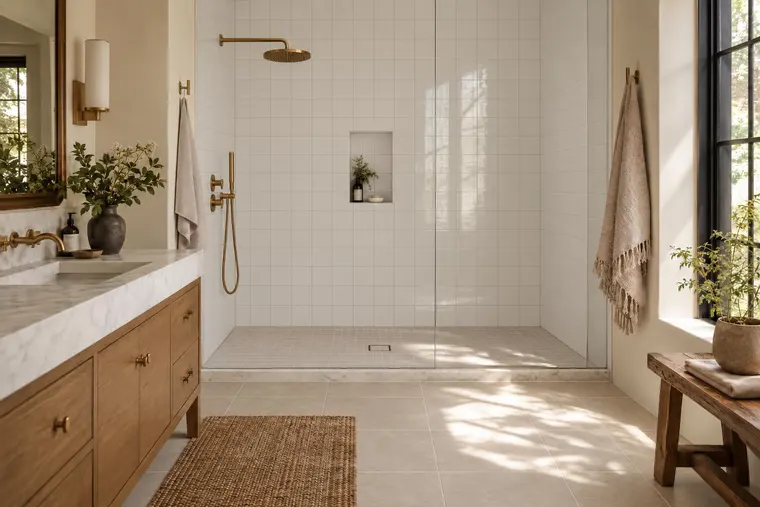
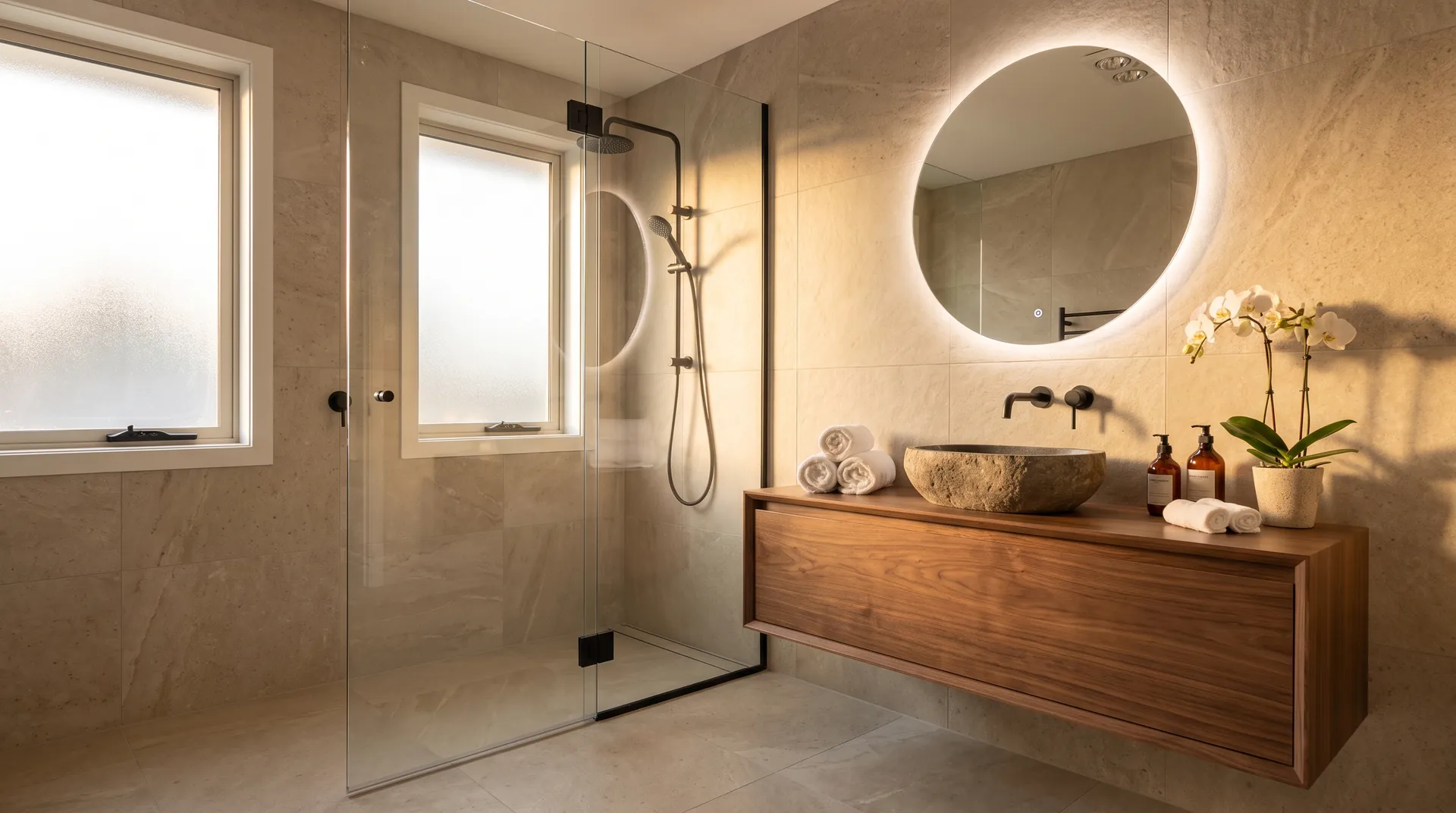
Think about what that customer still has to decide. They’ve seen the oak vanity on the floor and held two tile samples under showroom lighting. They know where the vanity goes. They still have to imagine whether the oak and the tile will feel too dark together in the bathroom they actually have.
This is where I’d start with AI in bathroom retail. Give the salesperson a way to show two plausible options, using products the shop can actually order, while the customer is there to compare them.
Start with the shops that work from a sketch
I’d start with the independent retailer who already gets through the first appointment with samples, a catalog and a quick sketch. The workflow is quick because it has to be. A small team needs to be able to reach for a tool in the middle of a conversation and get back to the customer with something concrete.
That gives you a clear test. Can the salesperson start from the photo the customer already has, pull up two products they know, and show a comparison before the conversation moves on? Can they pick it back up next time without rebuilding the scene? A tool that passes those tests has a reason to be used on an ordinary Tuesday.
A showroom with a dedicated designer can use that same workflow. A quick comparison at the counter can help the customer settle on a direction before the designer spends time working through a measured layout.
The image has to lead back to the shelf
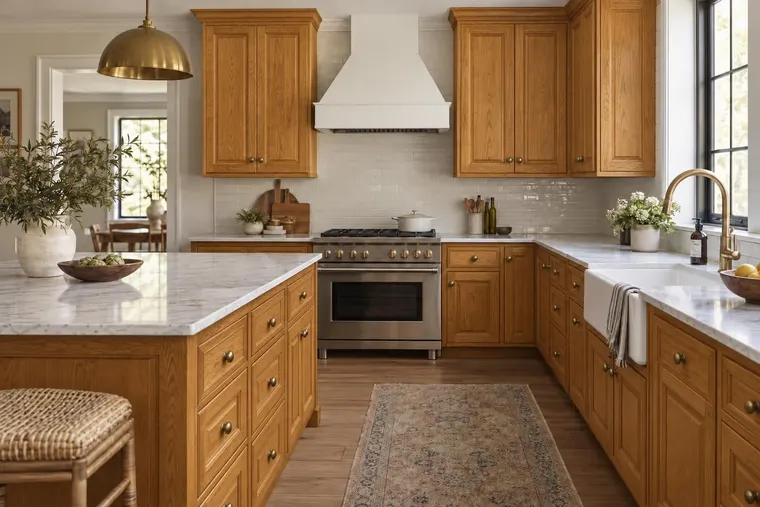
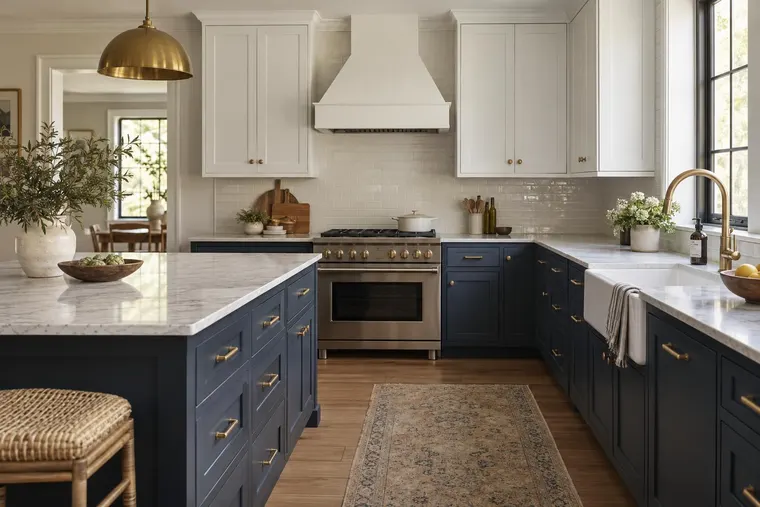
Say you’re deciding between two vanities, one in natural oak and one in a darker finish. If the image quietly changes the drawer fronts or gives both options the same wood grain, it can send you away with the wrong preference. A salesperson should be able to point to the vanity in the image and pull up the exact model and finish they were discussing. That’s the part a generic image misses.
This is also where a distributor can help. If it maintains good product photos, finish references and specifications in one catalog, several showrooms can work from the same product information. Each shop can put that catalog to work in its own sales conversations. That’s a practical distribution advantage for a tool that needs reliable product data to be useful.
Leave the customer with a decision they can act on
The same conversation surfaced a longer-term ambition: “a more accurate plan for the whole bathroom with measurements and where each thing will go.” That would be useful once a customer has picked a direction. It also requires reliable measurements and a way to check whether the products fit.
At the first appointment, a useful outcome might be simple. The customer takes home one image and a shortlist with the actual tile and vanity references. The retailer knows which samples to pull for the next visit. If the customer wants to go ahead, a designer or installer checks the measurements, door clearance, plumbing and final specifications. Each step gives the next person something they can work with.
If I were judging this in a showroom, I’d watch what happens after the image appears. Can the salesperson find the exact product again? Does the customer narrow down their choices? Can the next appointment pick up from that shortlist? Those are better tests of whether the tool belongs in the shop than how impressive the render looks on a demo screen.