11 real before & afters

Home bar ideas, rendered into rooms that had no bar

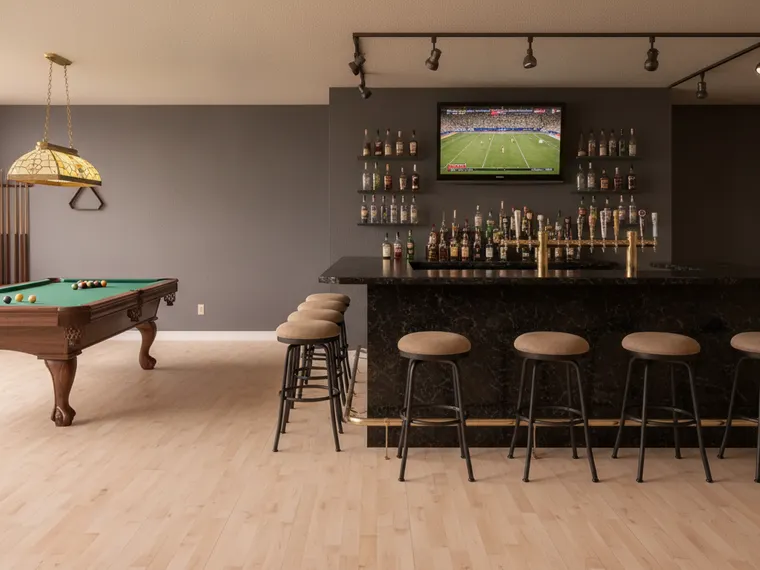
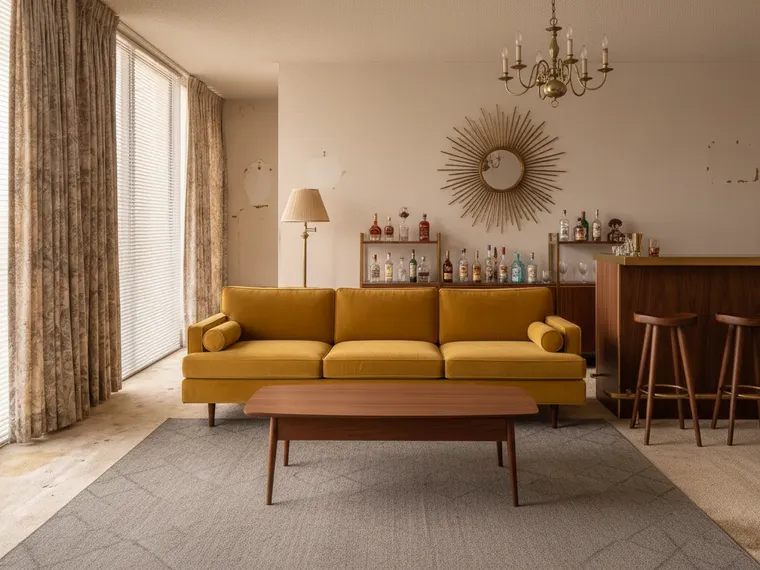
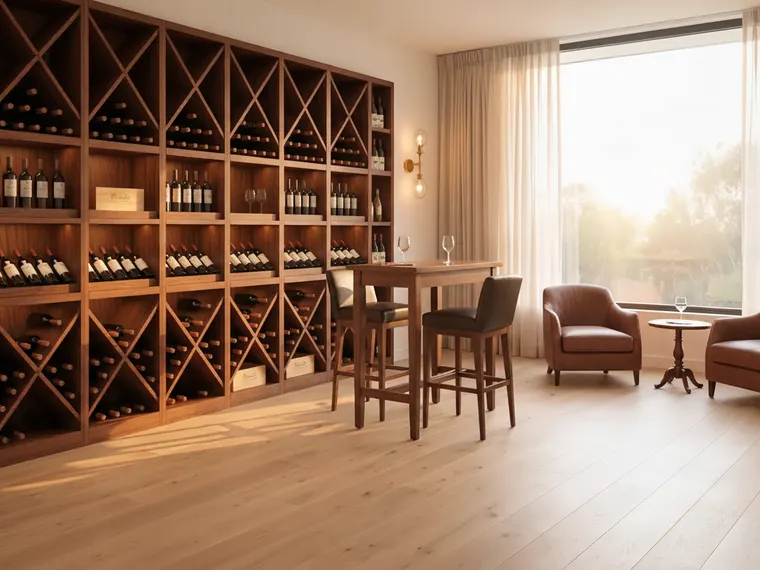
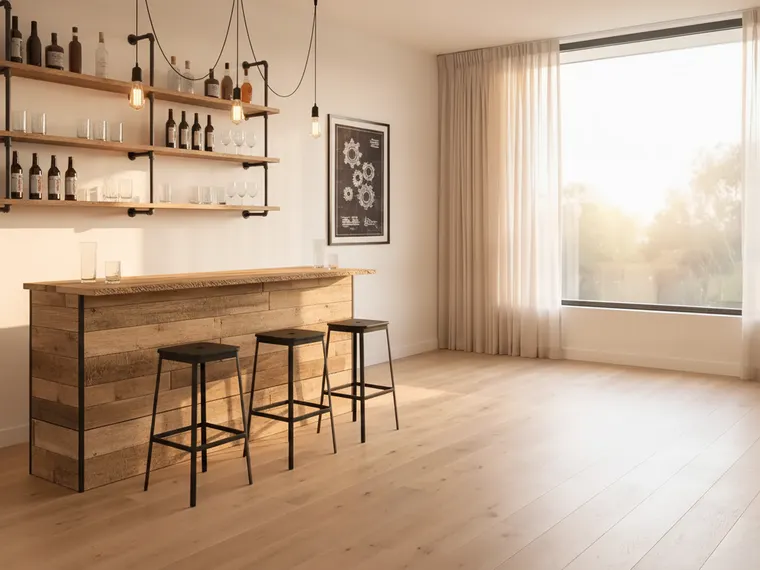
None of these four rooms had a bar in it. An empty spare room, a dining room with a sideboard wall, a dated living room and a small modern one with a free corner — rendered eleven ways: walnut bar, pub, speakeasy, sports bar, wine wall, mid-century lounge, and a couple that are nothing but a cart or two shelves. Then try one on your own room.

Your photo
Your photo — ready to restyle

No account for your first render · about ten seconds · nothing to mask or select

What makes it work

A home bar is four decisions

You do not need a basement or a plumber. You need a counter with a front and a back, something lit behind it, light that is lower than the rest of the room, and one material taken seriously. Every render below follows those four rules; that is why rooms that were a spare bedroom and a dining room an hour earlier read as bars.

01

A counter with a front and a back

A bar is a counter you stand or sit at from one side and serve from the other. A cabinet with bottles on it is storage. Every render on this page that reads as a bar has a counter with stools on the near side and shelves behind it; the two that only add a cart or a corner cabinet read as a living room with drinks in it, which is fine, but is a different thing.

02

The back bar is the picture

Nobody looks at the counter. They look at what is behind it: shelves, bottles, glassware, and light. Open shelves lit from above or behind, in front of a mirror or a dark wall, are what every bar in these renders has in common. It is the cheapest part of the job and it does most of the work.

03

Light it lower than the room

A bar reads as a bar because the light is warmer and lower than the rest of the house. Pendants over the counter, an LED strip under the shelves, sconces at head height. The overhead light stays off. The speakeasy and pub renders are almost entirely lighting decisions.

04

One material, taken seriously

Walnut, dark oak, reclaimed timber or black steel. Pick one for the counter and the back bar and let the stools match. A bar built from three finishes reads as furniture pushed together; a bar built from one reads as built in, even when it is not.

Before and after

The real rooms behind every render

Nothing on this page is a stock photo of somebody's finished bar. These are ordinary rooms photographed as they were, and every image below is one of them with a sentence rendered into it. Drag the handles.

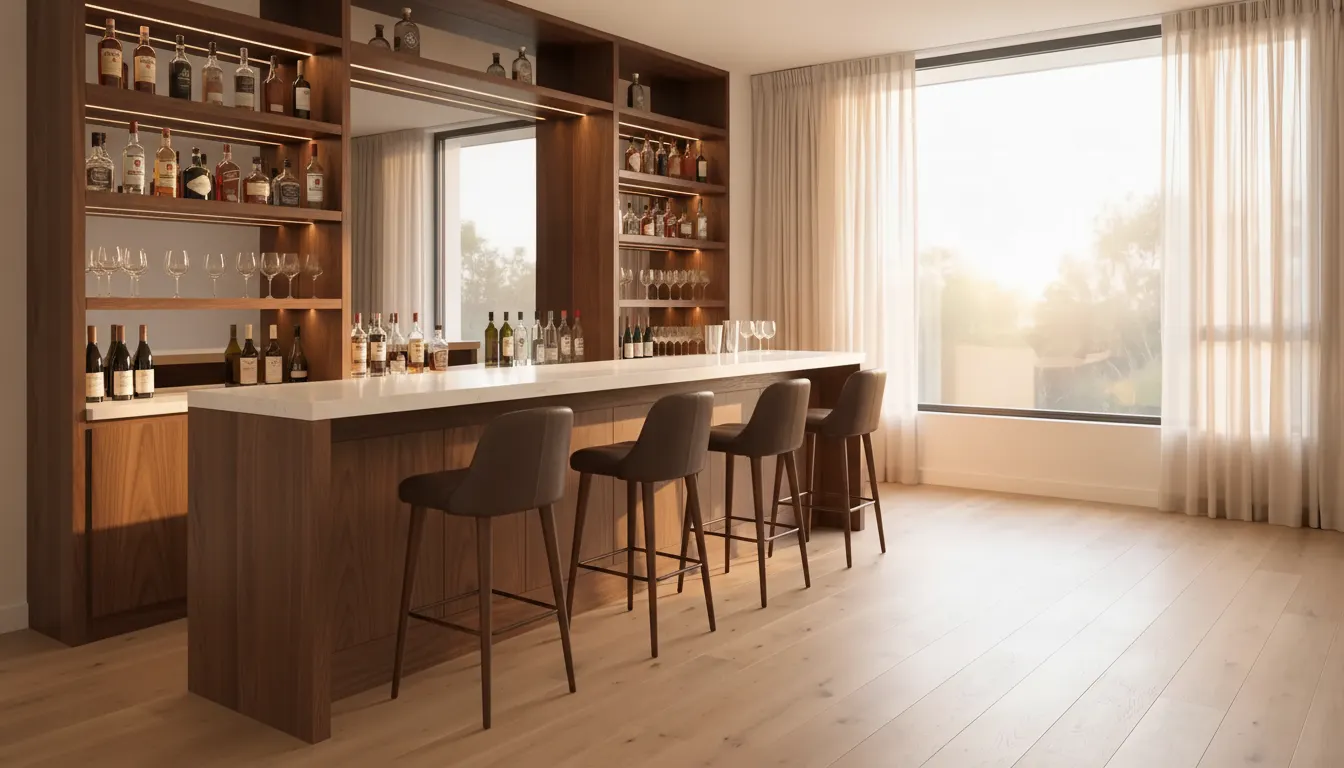
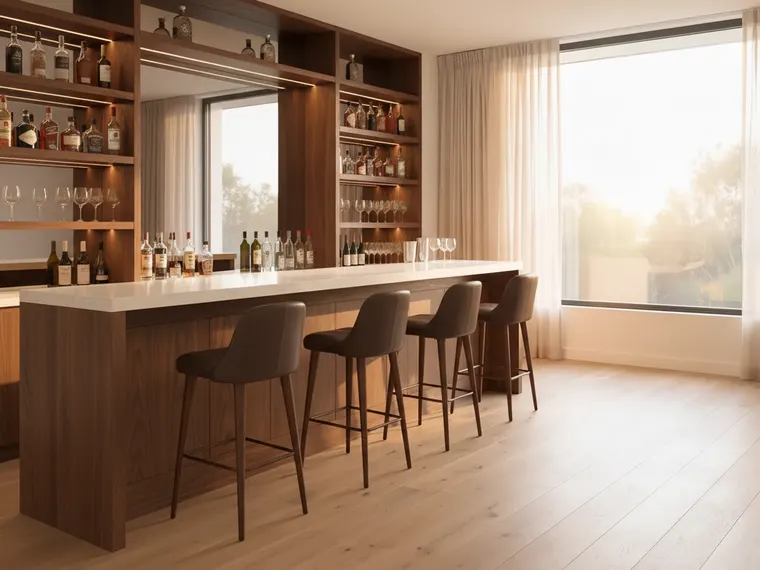
After: Walnut home bar
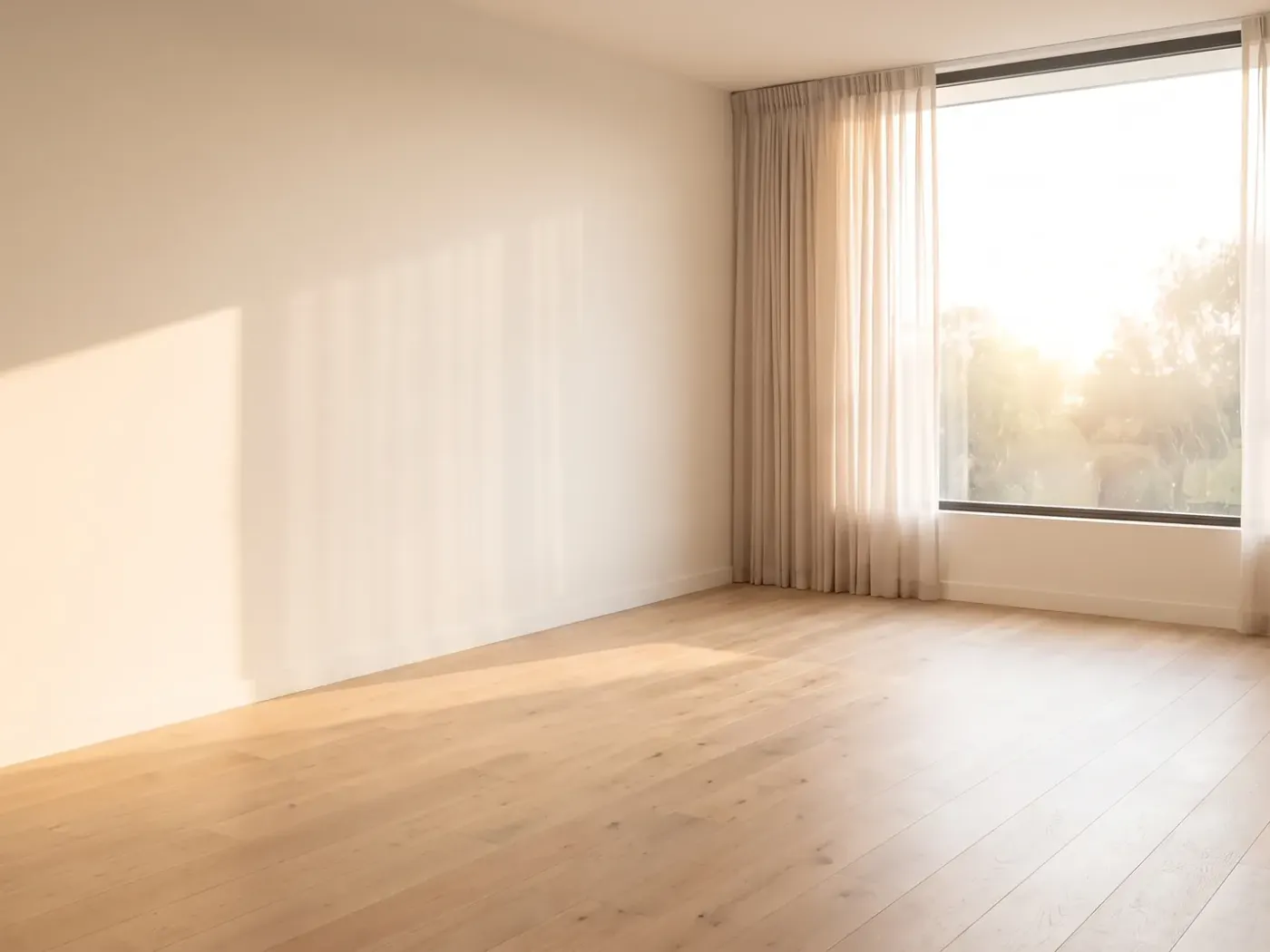
Before: The real spare room
The real spare room Walnut home bar
One empty spare room, made a bar. The window, the sheers, the walls and the floor are where they were. A walnut counter, four stools and a lit, mirrored back bar took the left wall and nothing else moved.
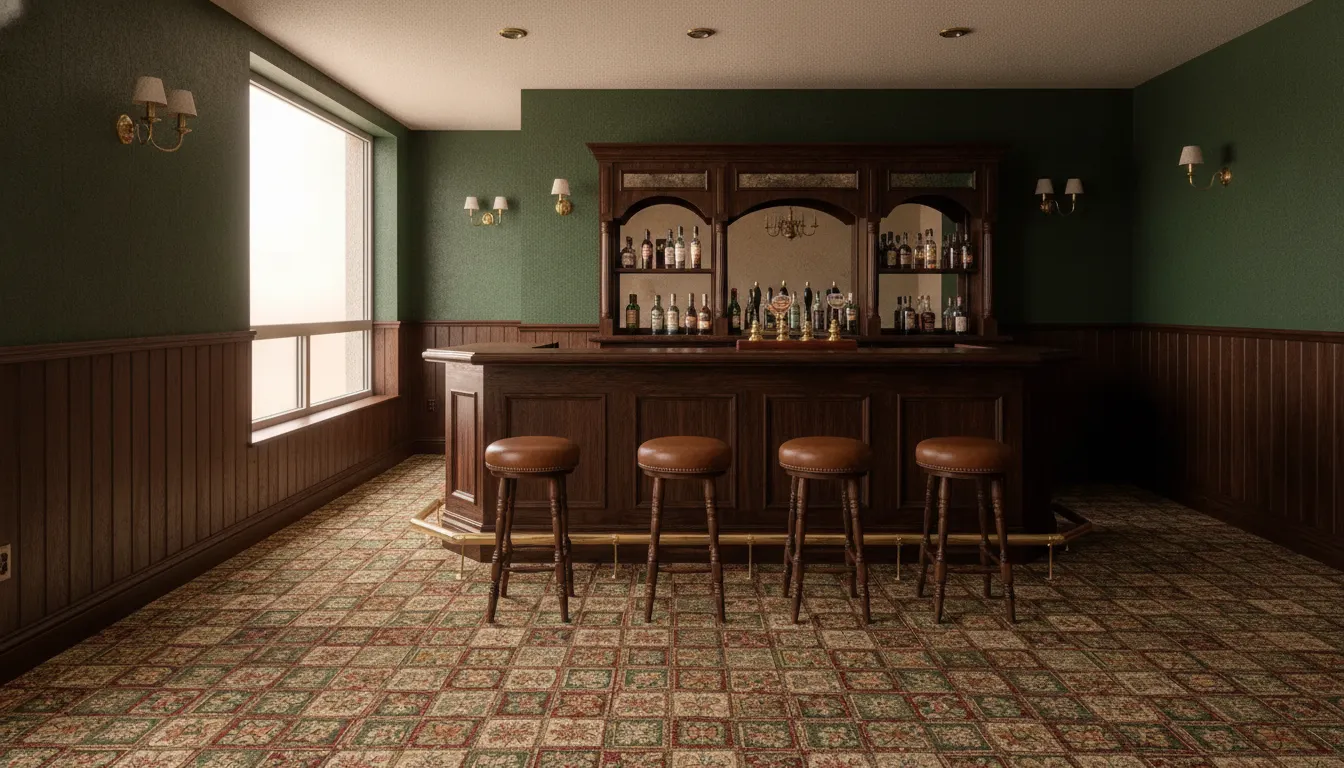
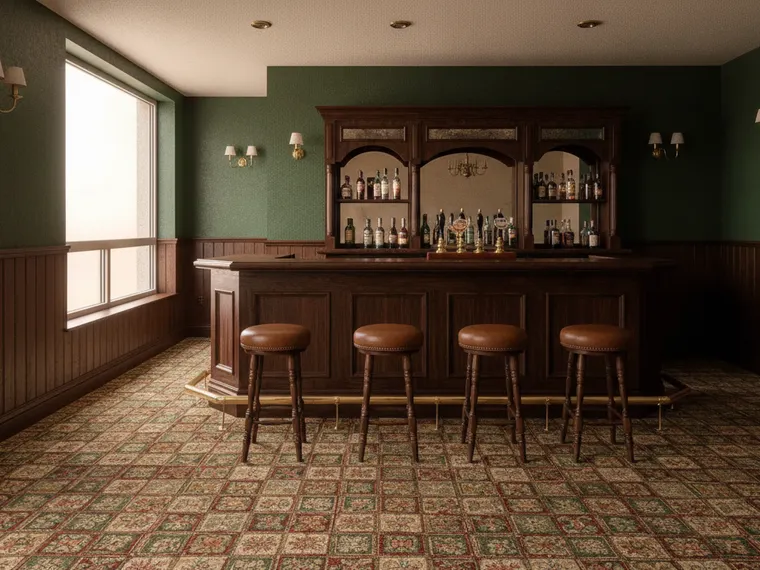
After: Pub-style bar
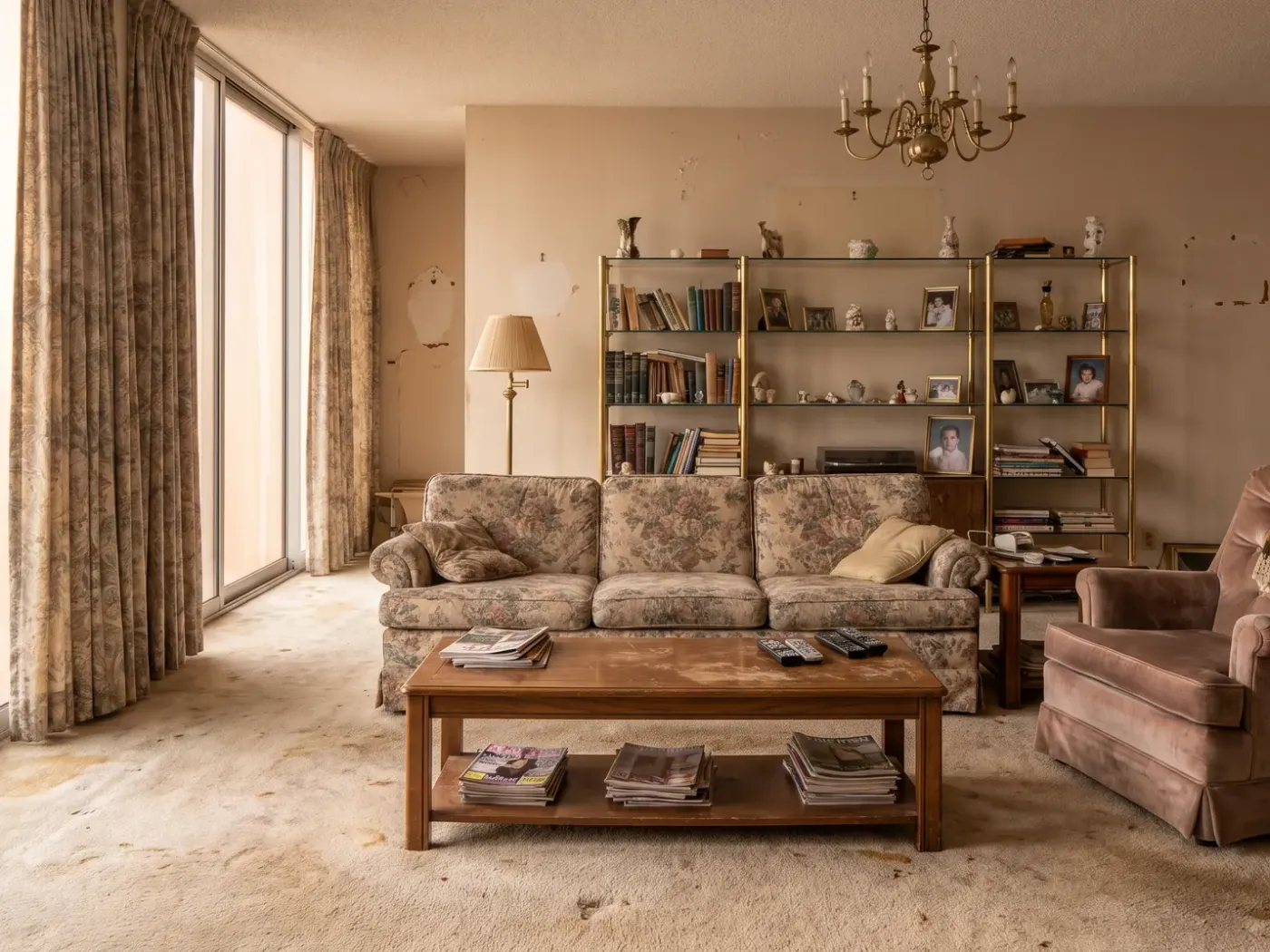
Before: The real living room
The real living room Pub-style bar
One dated living room, made a pub. Same window wall, same footprint. The floral sofa became a dark wood bar with a mirrored back bar, the walls went green over paneling, and the carpet became the kind a pub would choose on purpose.

Where to start

What to build first

In order of change-per-dollar. Most people who want a home bar stop at step two and are right to. Nobody should paint a room green without having rendered steps one to three on their own wall.

  1. 1

    A cart or a cabinet, in the corner you already have

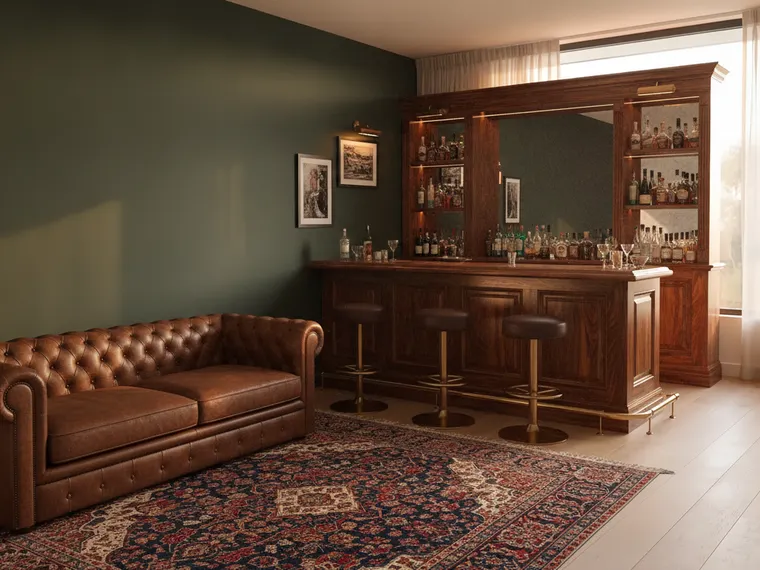
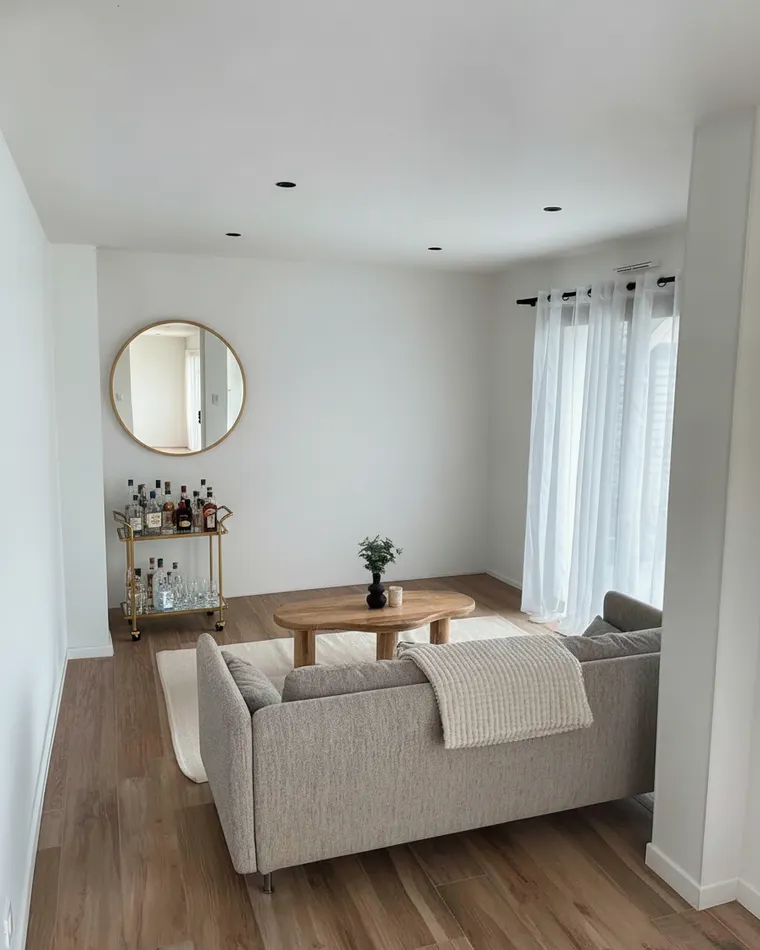
    A bar cart with a mirror above it, or a slim cabinet with two shelves and a light strip. The two living-room renders on this page are exactly this and nothing else. It is an afternoon, it needs no trade, and it tells you whether you actually use the corner before you build one.

    A few hundred dollars
  2. 2

    Shelves, bottles and a light strip

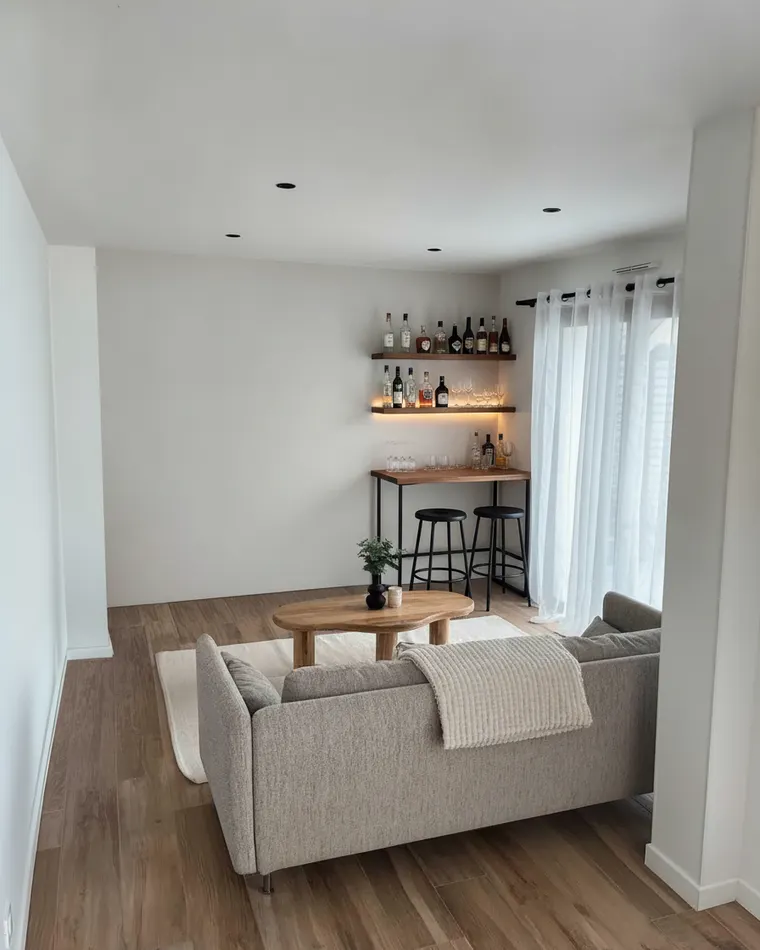
    The back bar. Three open shelves on the wall, an LED strip under each, a mirror or a dark paint colour behind them. This is the point where a corner starts reading as a bar, and it is the render most people should stop at.

    Low hundreds to low four figures
  3. 3

    A counter and stools

    A freestanding bar counter or a run of base cabinets with a top, and three stools. The spare-room renders — walnut, Scandinavian, industrial, wine — are all this: a counter along one wall, shelves above it, the room otherwise untouched.

    Low to mid four figures
  4. 4

    Then the room around it

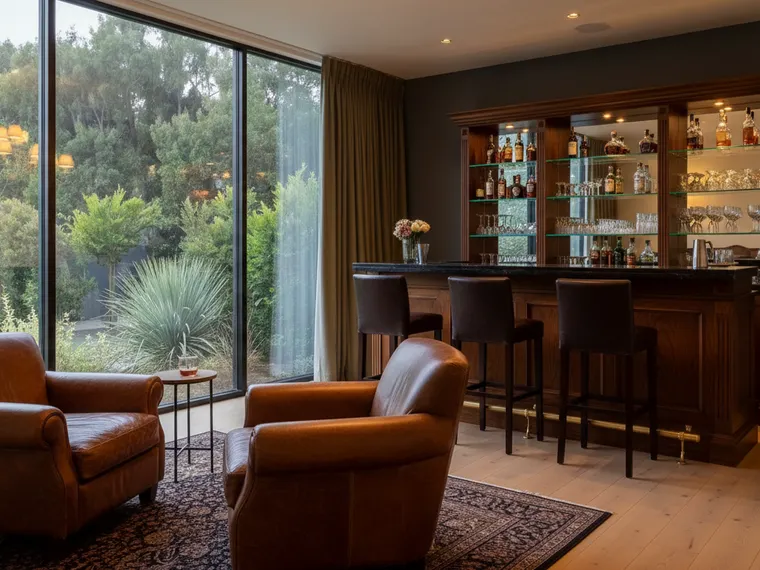
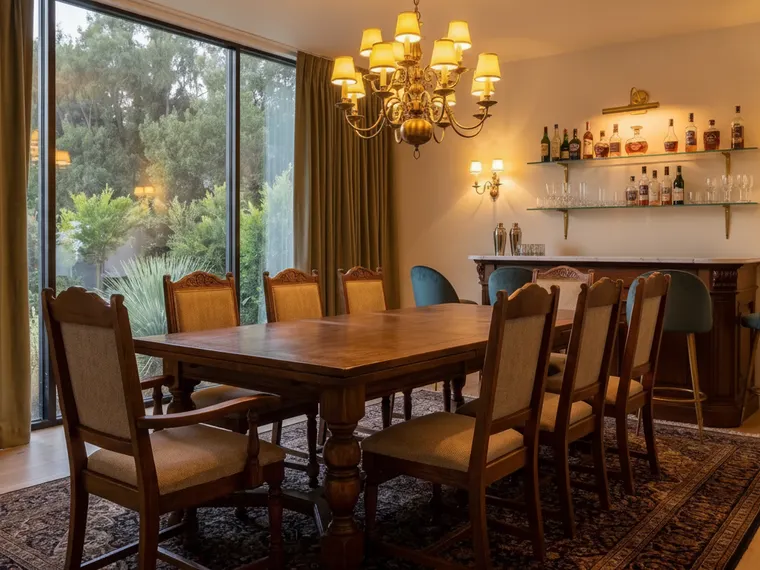
    Dark walls, paneling, a patterned carpet, a sofa, a pool table. This is where the pub, speakeasy and sports-bar renders go, and it is the step to render three ways before you paint a room green. The dining-room and dated-living-room renders show how far the full version goes.

    Mid four to five figures

What goes wrong

Four ways a home bar fails

A home bar is easy to get right and easy to overdo. Each of these is a real, common mistake, and each one is avoidable at the render stage for free.

Bottles on the counter instead of behind it

A counter covered in bottles is a kitchen worktop. Put them on shelves behind the bar, lit, and keep the counter bare except for what is being poured. Every render here follows this and it is the single biggest difference between a bar and a drinks table.

Overhead light

A ceiling light on full over a bar makes it a breakfast counter. Pendants over the counter, a strip under the shelves, sconces on the wall — and a dimmer on all of it. If you change nothing else, change the light.

A bar with nowhere to sit

Stools are the tell. A counter with three stools on the near side is a bar; the same counter with nothing in front of it is a sideboard. If there is no room for stools, there is no room for a bar, and a cart is the honest answer.

Novelty

Neon signs, themed memorabilia and pub mirrors with brewery logos date faster than anything else in the house. The renders here get their character from wood, brass, mirror and light. Add the personal things last, and add fewer than you think.

Questions

Home bars, answered honestly

Where in the house should a home bar go?

Wherever people already gather, plus a wall. The dining room is the classic answer because it has a sideboard wall and a table nearby; two of the renders here turn that sideboard into the bar. A spare bedroom works if you want a room with one job — the walnut, speakeasy, wine and industrial renders are all the same empty spare room. A corner of the living room works for a cart or a cabinet. A basement is the traditional answer and the pub and sports-bar renders show why.

How much space does a home bar need?

A counter is about two feet deep and needs another two feet in front of it for a stool and a person on it. So a bar along one wall wants roughly four feet of floor in front of the wall and as much width as you have stools, at about two feet each. Three stools is a six-foot counter. If you have less than that, a bar cabinet with the doors open, or a cart, is the version that fits.

What is the cheapest way to get a home bar?

A bar cart and a mirror, then shelves and a light strip on the wall above it. The gold-cart render on this page is a few hundred dollars of furniture placed in a living room that was not otherwise touched. The corner-cabinet render is one step up. Both were rendered on the real room exactly as photographed, so what you see is what a cart does and no more.

Do I need plumbing for a home bar?

No. A wet bar with a sink is a plumbing job and adds a few thousand dollars if there is no water nearby. A dry bar — counter, shelves, a small fridge under the counter — is furniture and an electrician for the light strip, and it is what every render on this page shows. Add a sink only if the bar is far from the kitchen and you will actually rinse glasses at it.

What colours work for a home bar?

Darker than the room around it. Dark green, charcoal, navy or deep brown on the walls, with warm wood and one warm metal — brass usually — for the counter and fittings. The speakeasy and pub renders use green; the dining-room bar uses charcoal. If you want it light, the Scandinavian render shows the other way: white oak, pale walls and a rattan pendant, and it still reads as a bar because the shelves are lit.

Can I see a home bar in my own room before buying anything?

That is what the upload box at the top of the page is for. Photograph the wall or corner you have in mind from a few feet back, type one of the sentences under the renders — or your own — and you get the render back in about ten seconds. Every image on this page was made exactly that way, on rooms that had no bar in them.

Now see a home bar in your own room

Photograph the wall or corner you have in mind from a few feet back, pick the sentence you kept scrolling back to, and you will have it rendered into your own room in about ten seconds. Free, on iPhone, Android and the web.