
How to Redesign a Kitchen: Decide in the Right Order

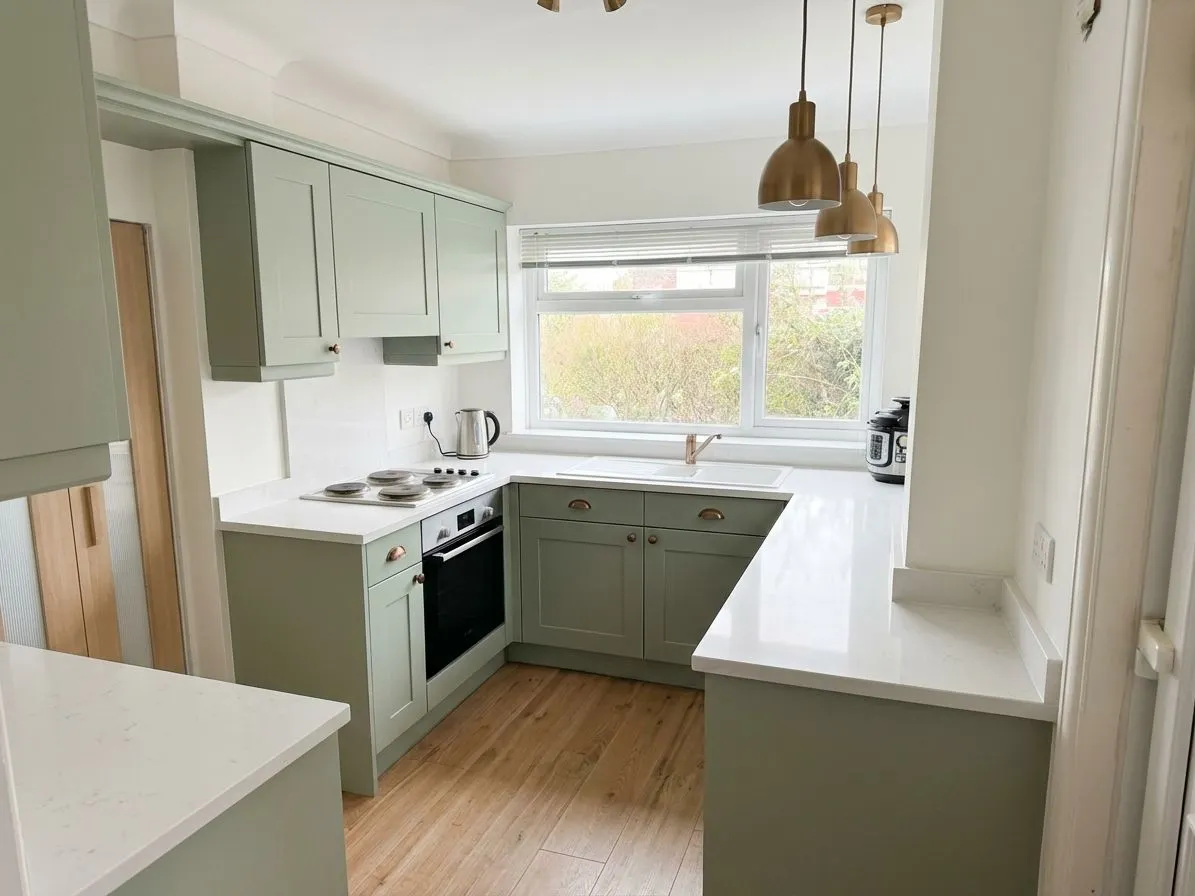
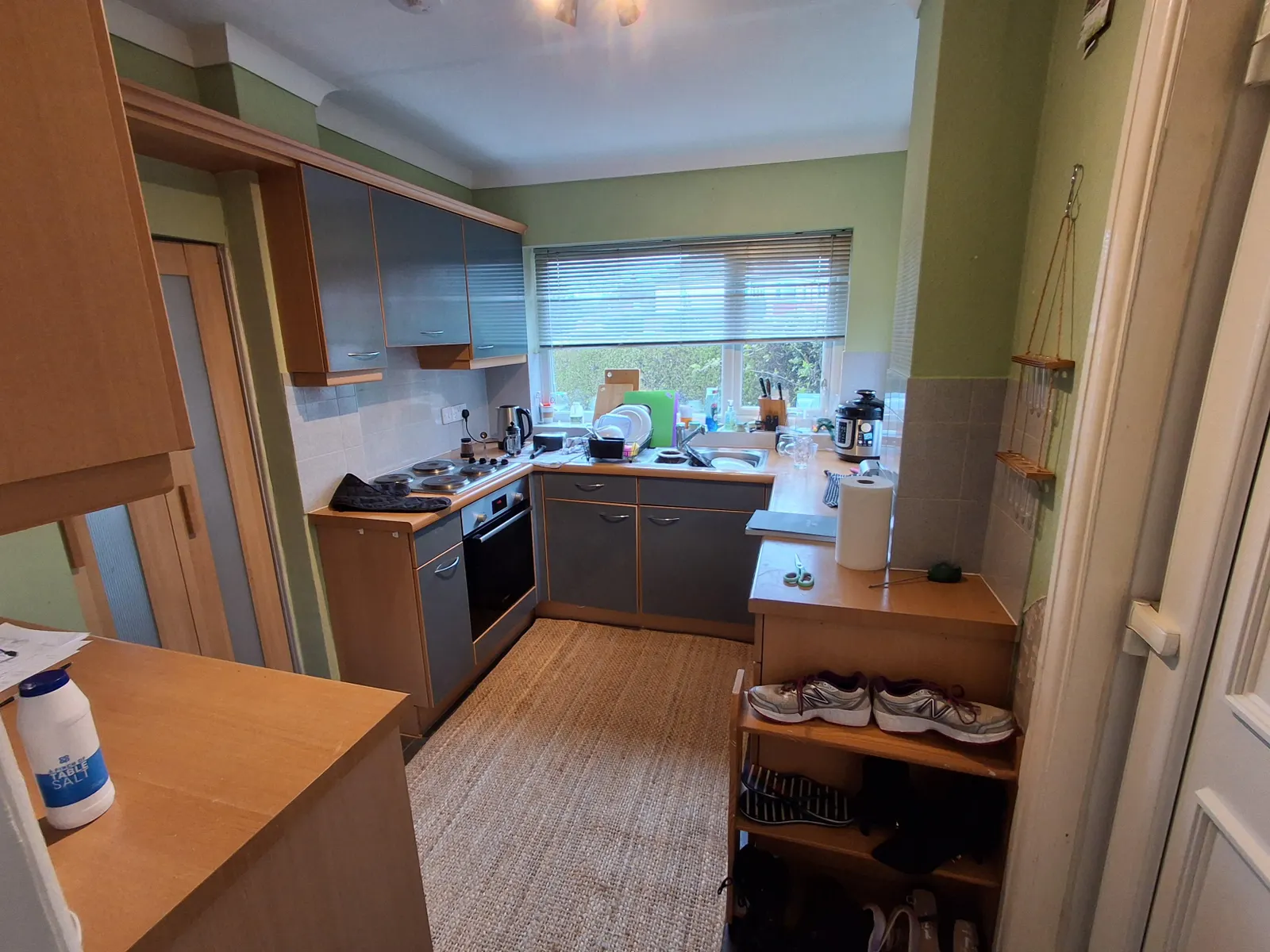
No walls moved here. Cabinet color and lighting did all of it. That is why you decide layout first.
Decide the class before you decide anything else
A kitchen redesign goes right when you name which class of change your problem lives in, then spend there first. It goes wrong when you start by shopping the fun stuff.
Every change you can make to a kitchen falls into one of three classes:
- Layout. Walls, plumbing, gas, appliance positions, the island. Expensive, slow, permanent. This is the class where mistakes cost five figures.
- Surfaces. Cabinets, countertops, backsplash, flooring. The middle of the market. Big visual impact, real money, but nothing structural moves.
- Color and hardware. Paint, pulls, faucet, lighting, stools. Cheap, fast, reversible. This class changes how a kitchen feels more than most people believe.
The classes are ordered by cost for a reason. A layout mistake can’t be painted over. A surface mistake can. A color mistake costs you a weekend.
Here’s the trap: dissatisfaction is vague (“I hate this kitchen”) but shopping is specific (“look at this quartz”). So people skip the diagnosis and jump to class 2 shopping, because countertops are fun and plumbing diagrams are not. Then the new quartz arrives and the kitchen still annoys them, because the problem lived in a different class the whole time.
The sequence
- Write the complaint as a sentence, precisely. Ban the word “dated.” Bad: “it feels old.” Good: “the fridge door blocks the only walkway,” or “the room is dim by 4pm,” or “the oak cabinets read orange against the gray floor.” The precise sentence tells you the class.
- Map the sentence to a class. Complaints about movement, collisions, and reach are layout. Complaints about worn, damaged, or clashing materials are surfaces. Complaints about mood, tone, and “just looks off” are usually color and hardware.
- Decide the layout question first, even if the answer is no. Ask it once, out loud: does anything need to move? If the honest answer is no, write it down and stop revisiting it. That single decision protects your budget from the most expensive class.
- Test directions on a photo of your kitchen before you commit money. Every class 2 and class 3 idea can be previewed on your real room. A rendering that keeps your actual light, floor, and window placement tells you more than fifty Pinterest kitchens that share none of them.
- Spend in diagnosed order. Fix the class you named. Then, if budget remains, move down a class, never up. Upgrading hardware while the fridge still blocks the door is decorating a problem.
Worked example: the “dark kitchen” that wasn’t a layout problem
A homeowner posted their kitchen asking for remodel help: espresso cabinets, brown granite, dim lighting. Their instinct was a gut job. Rip it out, open a wall, start over.
Run step 1. The precise complaint was “this room is dark and heavy.” Nothing about workflow. Nothing collided, nothing blocked, the triangle between sink, stove, and fridge worked fine. That sentence is a class 2 and class 3 complaint wearing a class 1 costume.
So the test was cheap: same layout, frozen in place, with light surfaces on top. White cabinets, a pale zellige backsplash, woven pendants instead of the dim can lights.
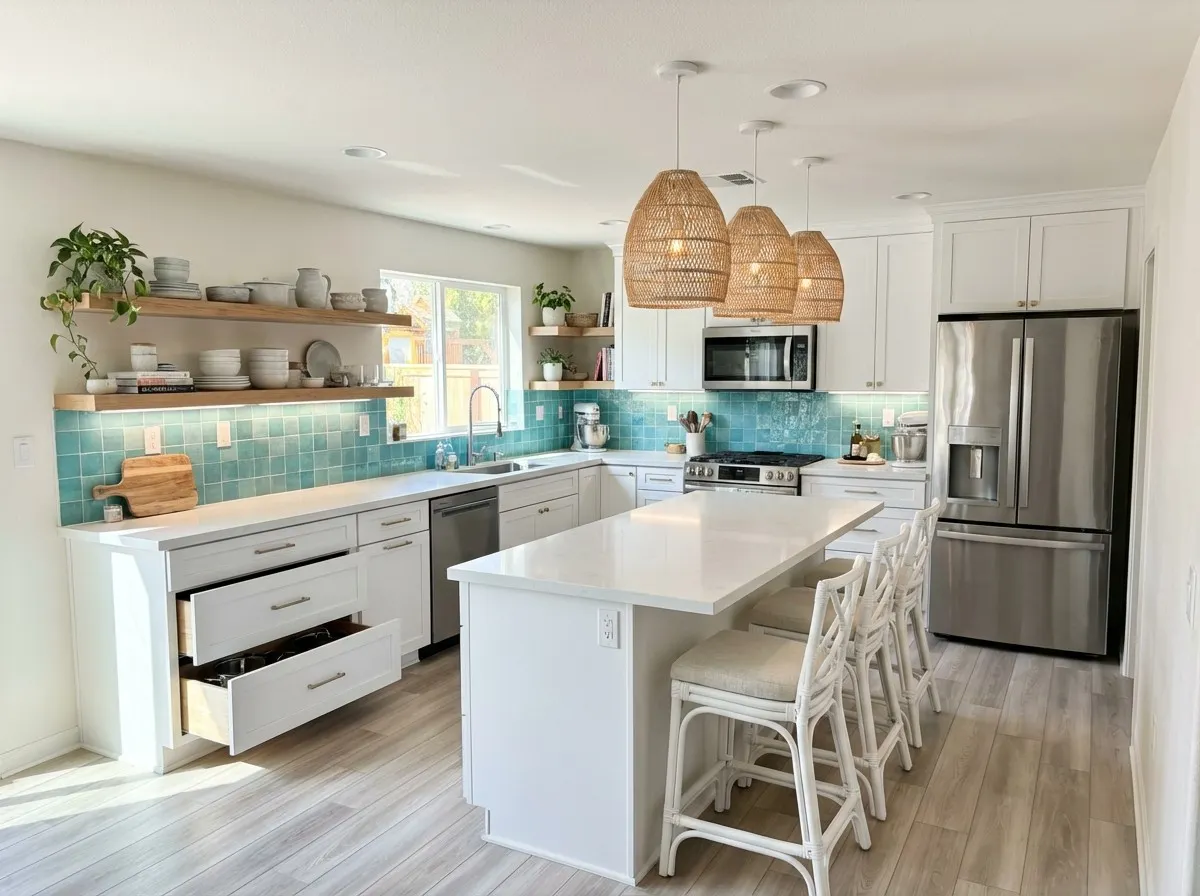
Same walls. Same plumbing. Same appliance positions. The “gut job” turned out to be cabinets, backsplash, and lighting. That diagnosis moved the project from the most expensive class to the middle one, and the homeowner saw it before spending anything.
Second example: when the answer is the cheapest class
Another kitchen: espresso cabinets again, but this time with white subway tile and counters the owner liked. The precise complaint was “the dark wood isn’t my style, I love green and warmer tones.” Not worn. Not broken. Not in the way.
That sentence is pure class 3. Keep the boxes, keep the counters, keep the tile. Paint the cabinets sage, swap the pulls to brass.
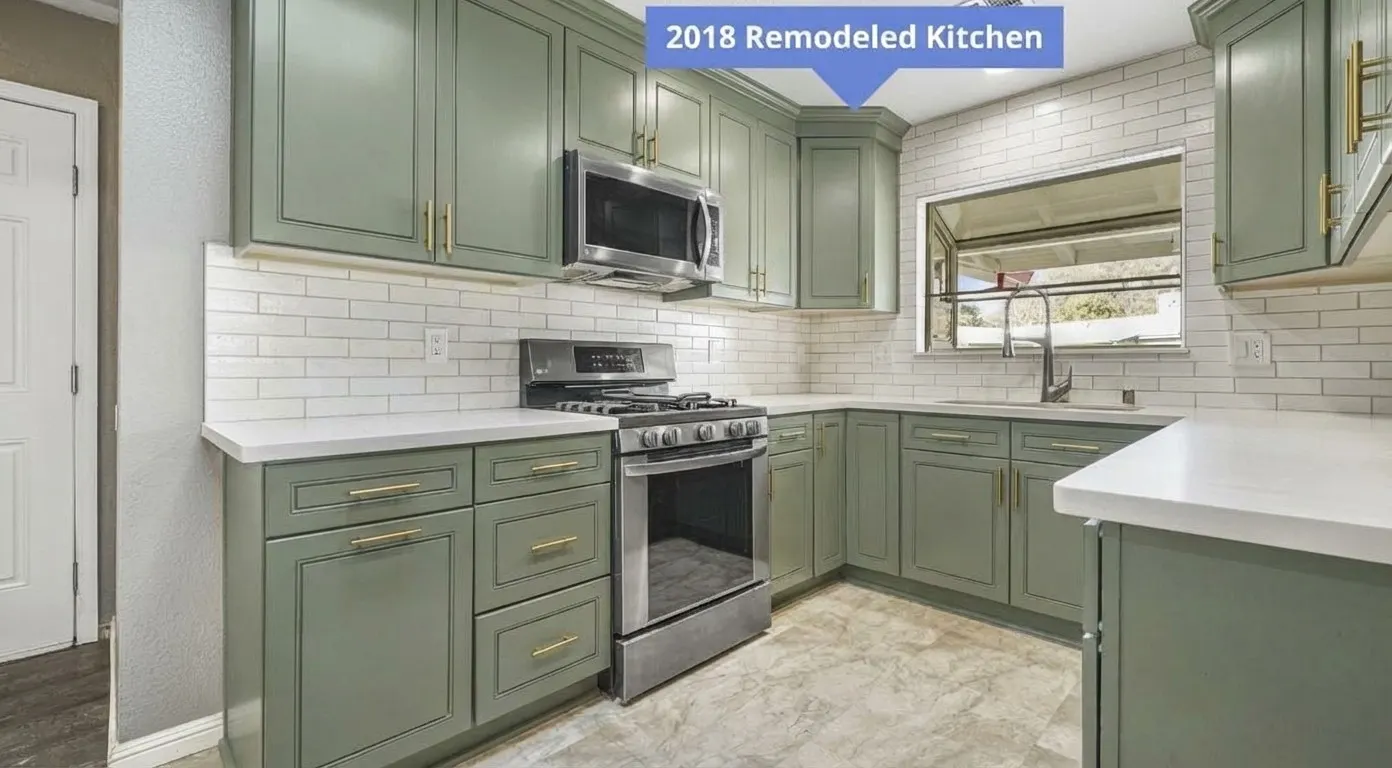
Two kitchens, same espresso starting point, two different diagnoses, two different budgets. The complaint sentence did the work.
Test it on your kitchen, not a stranger’s
Step 4 is where most people get stuck, because imagining a color on your own room is hard and Pinterest kitchens have someone else’s light. This is the part we built Renovate AI for. Take a photo of your kitchen, describe a direction in plain words (“sage green cabinets, brass pulls, keep the counters”), and see it rendered on your actual room. The first render needs no account, and you get 5 free ones, which is enough to test a direction per class before you talk to a contractor.
If you want the full walkthrough of the app itself, we wrote a separate answer to is there an app where I can take a picture of my kitchen and remodel it. This page is about the thinking. That one is about the tool.
The rule travels
Layout first, even when the answer is no. Surfaces second. Color and hardware last, and test each direction on your real photo before money moves.
The same three classes sort a bathroom, a living room, an exterior. Write the complaint as a precise sentence, name the class it lives in, spend there first. The rule travels. The answer, like the two espresso kitchens, doesn’t.
Now name yours
Pull up a photo of your own space, or just look at it. Answer two questions in plain words:
- When your kitchen annoys you, is it while you cook, or while you look?
- If the layout stayed frozen forever, would new surfaces and color fix the complaint?
Most people never name it. They just circle swatches. Finish the sentence — in your words, about your home:
Your sentence rides the button below. Test it on your photo.
Test your answer before you commit. Upload a photo and tell RAI the exact change you're considering. You'll see it on your actual home in seconds.
See it on your home →Free · No account needed · 10 seconds
Stuck between two answers, or not sure what you're looking at? That's a design question. In the Renovate AI app, tap Ask and describe what feels off. Elena will help you name it, then design the direction.
FAQ
- What should I decide first when redesigning a kitchen?
- Layout. Whether anything moves (walls, plumbing, appliances, island) is the most expensive decision and it constrains everything after it. Decide layout first even if the answer is 'nothing moves,' because that answer frees your whole budget for surfaces and color.
- Can I redesign a kitchen without changing the layout?
- Yes, and most people should. New cabinet fronts or paint, countertops, backsplash, lighting, and hardware change how a kitchen reads without touching plumbing or walls. If your complaint is about looks rather than workflow, the layout is probably fine.
- What is the most expensive part of a kitchen redesign?
- Moving things. Relocating plumbing, gas, or walls costs more than any finish you'd put on top, because you're paying trades and permits before you buy a single visible material. Cabinets are usually the biggest line item in a no-layout-change remodel.
- Should I paint my cabinets or replace them?
- If the boxes are solid and the doors are a shape you can live with, paint or refacing gets you most of the visual change for a fraction of the cost. Replace when the boxes are failing, the interiors don't work for you, or you're changing the layout anyway.