
See Your House in Any Paint Color — Free AI Exterior Visualizer

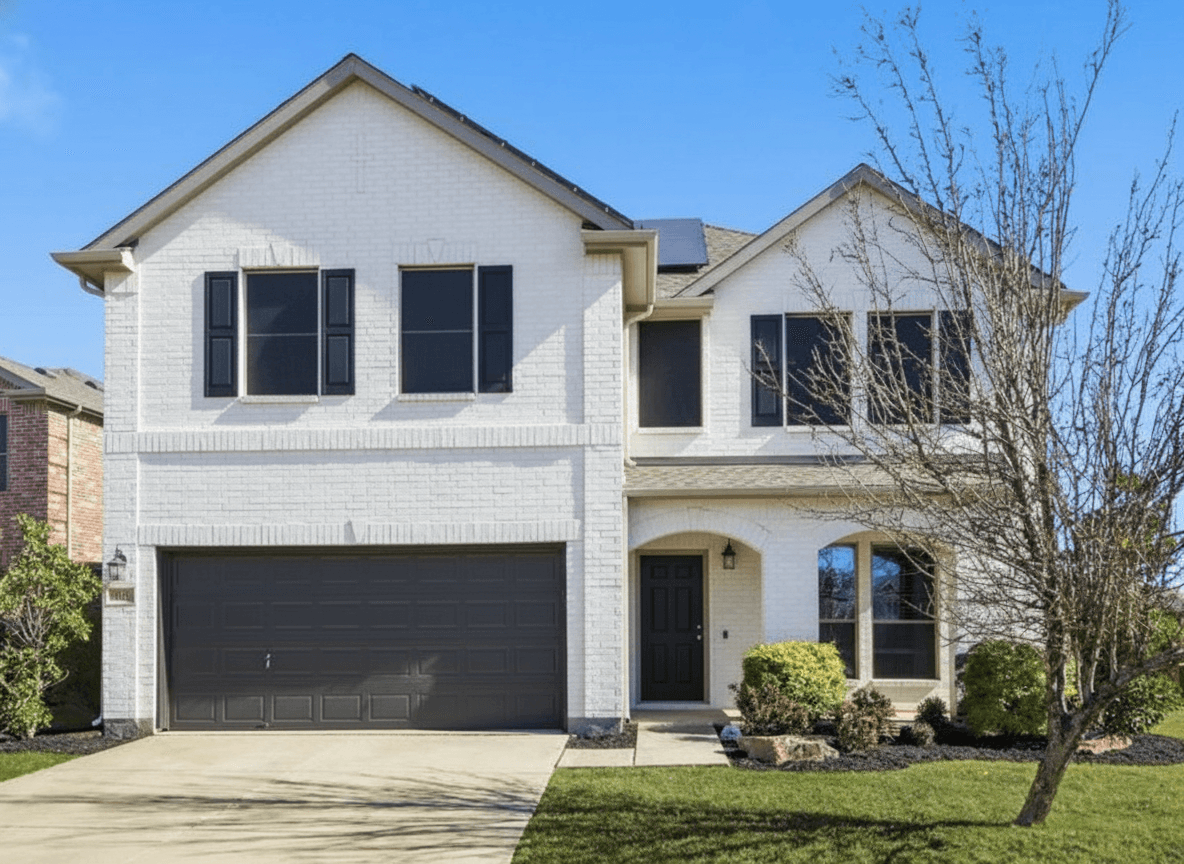
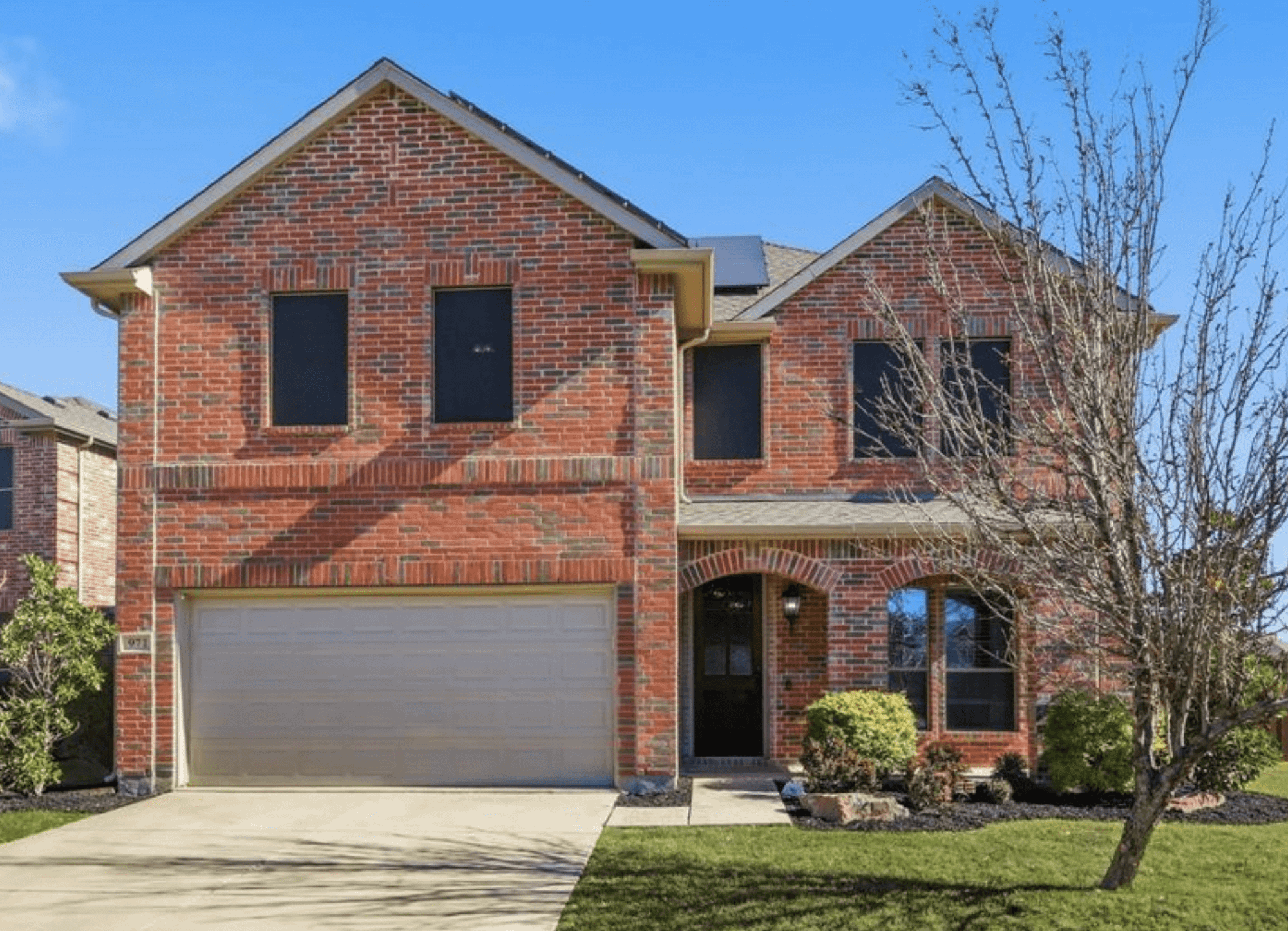
One photo, one sentence, ten seconds. Same driveway, same tree, same roofline — which is the only reason the comparison means anything.
Yes. You can see your own house in any exterior paint color for free, before you buy a single can. Renovate AI is a free AI exterior paint visualizer: upload one photo of your home, tell RAI any color or finish in plain words, and get a photorealistic preview of your actual house in about 10 seconds. Your first image needs no account, and a free account gets you five renders in all. Every result comes paired with a rough repaint cost estimate, something none of the visualizers below offers.
How the Free Exterior Paint Visualizers Compare
| Tool | Free tier | Whole exterior at once | Plain-language edits | Repaint cost estimate |
|---|---|---|---|---|
| Renovate AI | 5 free renders — first one no account | ✅ | ✅ “tell RAI” | ✅ only one |
| Home Design AI | Free, 3 styles per photo | ✅ | ❌ preset styles | ❌ |
| Sherwin-Williams ColorSnap | Free | ❌ own colors only | ❌ | ❌ |
| Benjamin Moore Color Portfolio | Free | ❌ own colors only | ❌ | ❌ |
| PPG ColorSmart | Free | ❌ own colors only | ❌ | ❌ |
Every tool here previews color on your photo. The real difference is what happens after you pick one: Renovate AI is the only free visualizer that pairs each preview with a rough repaint cost, so the decision becomes “is this worth $X?” instead of “is this pretty?” (That cost-per-image approach is what Morning Brew’s The Playbook covered.)
To show what the previews look like, we took a real suburban red-brick two-story and ran it through Renovate AI three different ways: same photo, same driveway, same landscaping, three different curb-appeal levels. Each direction below took about 10 seconds and a single sentence.
The Challenge
The bones here are common to a lot of American suburbs: solid red brick, tan garage door, basic landscaping, two-story facade with shutters that read dated. Nothing structurally wrong. But the visual signature pushes 1990s instead of 2026.
The instinct is “paint the brick white” because that’s what shows up most on Instagram. That’s one answer. There are at least two others that would also work, and one of them keeps the brick.
Below is the same house three ways. Each “What we told RAI” blockquote is the literal direction we typed. No detailed prompts, no specifications. Just plain language describing the change.
Style 1: Modern Farmhouse White
The Instagram answer, and the most dramatic. Paint the brick bright white, swap the tan garage door for matte charcoal, add black shutters. The house starts over.
What we told RAI:
Paint the brick exterior bright white. Add black window shutters and a matte black front door. Replace the tan garage door with a dark charcoal one.
Free · No account needed · 10 seconds
Why this works: painted brick is committed: once you paint brick it stays painted, which costs you the natural-brick look forever. But the upside is the cleanest visual reset available. The charcoal garage door is what pulls the whole composition together; without it, white brick looks like a wedding cake. The shutters complete the contrast triangle: white wall, black trim, gray door. Look at your own facade for a second: wall, trim, door. Do you have three distinct values, or does it all blur into one tone? That blur is most of what reads as “dated.”
Where it fits: modern farmhouses, transitional architecture, anywhere on a wooded lot where the white reads softer against greens. Less right on tight suburban lots where every house is white. There your house disappears.
Style 2: Warm Gray Limewash
The middle path. Limewash isn’t paint. It’s a mineral coating that lets the brick texture read through, which means the house keeps its character but loses the dated red.
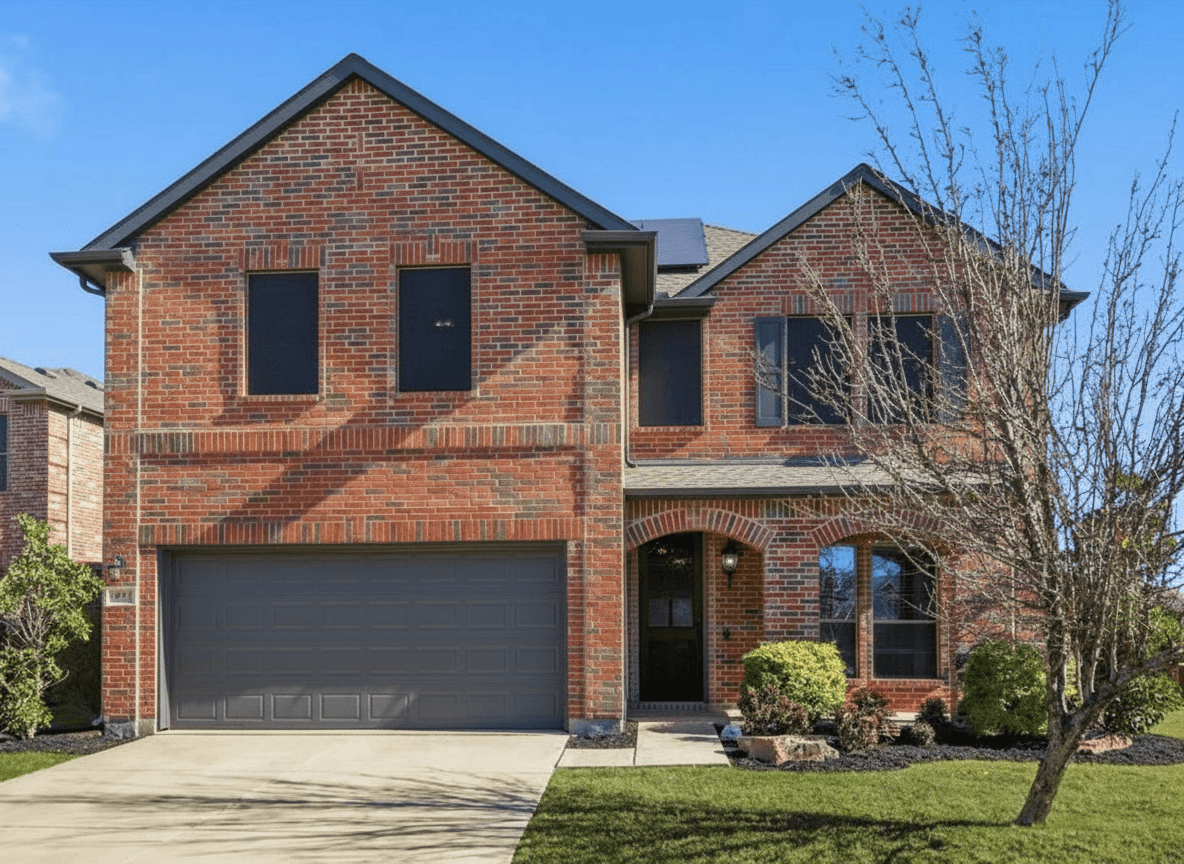
What we told RAI:
Apply a warm gray limewash to the red brick. Paint the trim and shutters dark charcoal. Replace the garage door with a modern dark gray panel style.
Free · No account needed · 10 seconds
Why this works: limewash is the reversible move. It weathers, ages, and can be redone. The warm gray neutralizes the red without erasing the brick texture. You still read “brick house,” just no longer “1990s brick house.” The modern dark-gray garage door is the contemporary marker that tells everyone this was deliberate, not faded.
Where it fits: historic neighborhoods where painting brick would feel wrong, transitional homes that want updating without commitment, and houses where you might want to undo the move in 10 years.
Style 3: Dark Sage Green
The bold pivot. Most homeowners would never try this. The ones who do almost always say it was the best decision they made.
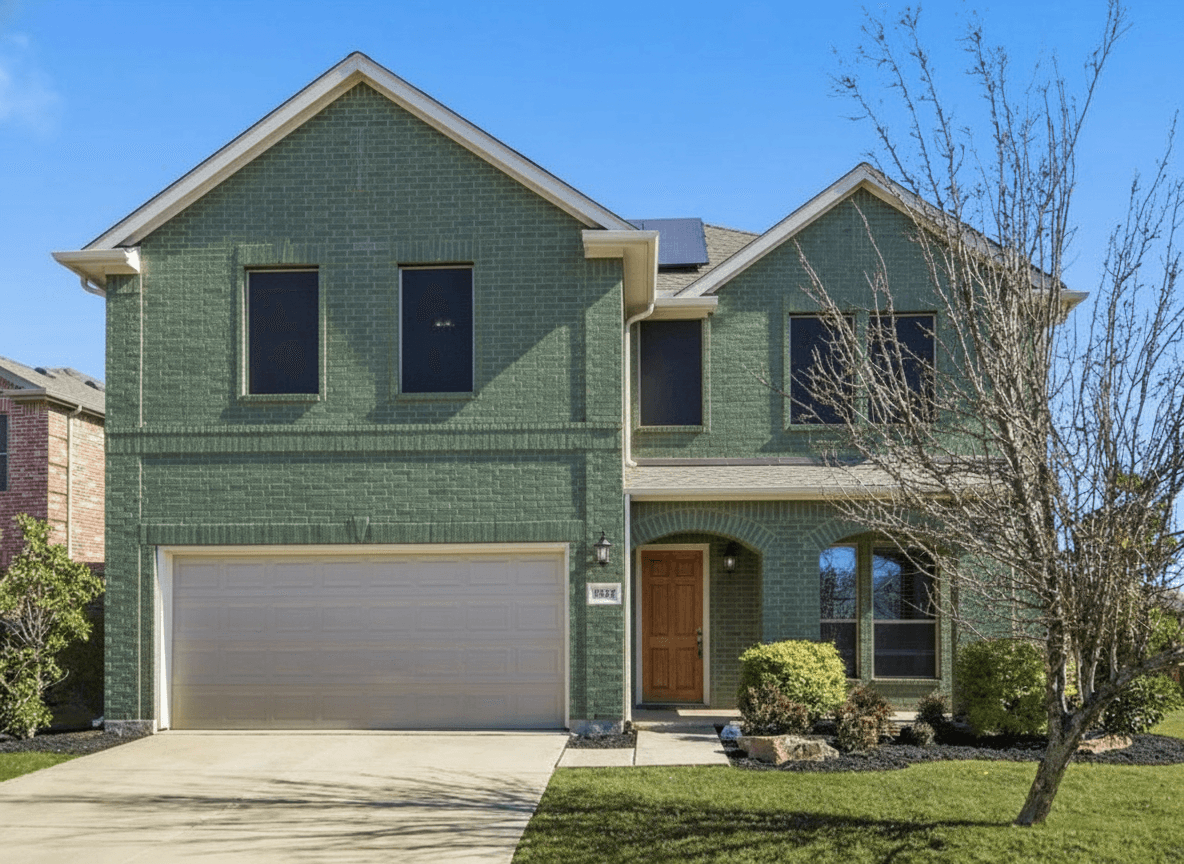
What we told RAI:
Paint the brick exterior a deep sage green. White trim around windows and roofline. Replace the front door with a warm natural wood door.
Free · No account needed · 10 seconds
Why this works: dark sage reads as sophisticated, not loud. It has the same compositional weight as charcoal but with warmth. White trim provides the cleaner edges modern eyes expect, and the natural wood door is the warmth anchor that prevents the green from going cold and corporate. This combination shows up constantly in high-end magazine covers because it photographs beautifully in any light.
Where it fits: houses with mature trees or hedge lines (the green resonates with the planting), historic neighborhoods where neutrals would disappear, anywhere you want to actively stand out from neighbors. Less right on bare lots where there’s no green context.
Style 4: Warm Greige with Black Shutters
The safest direction on this page, and the one most likely to survive a sale. Not white, not a colour — a warm neutral that lets the trim do the work.
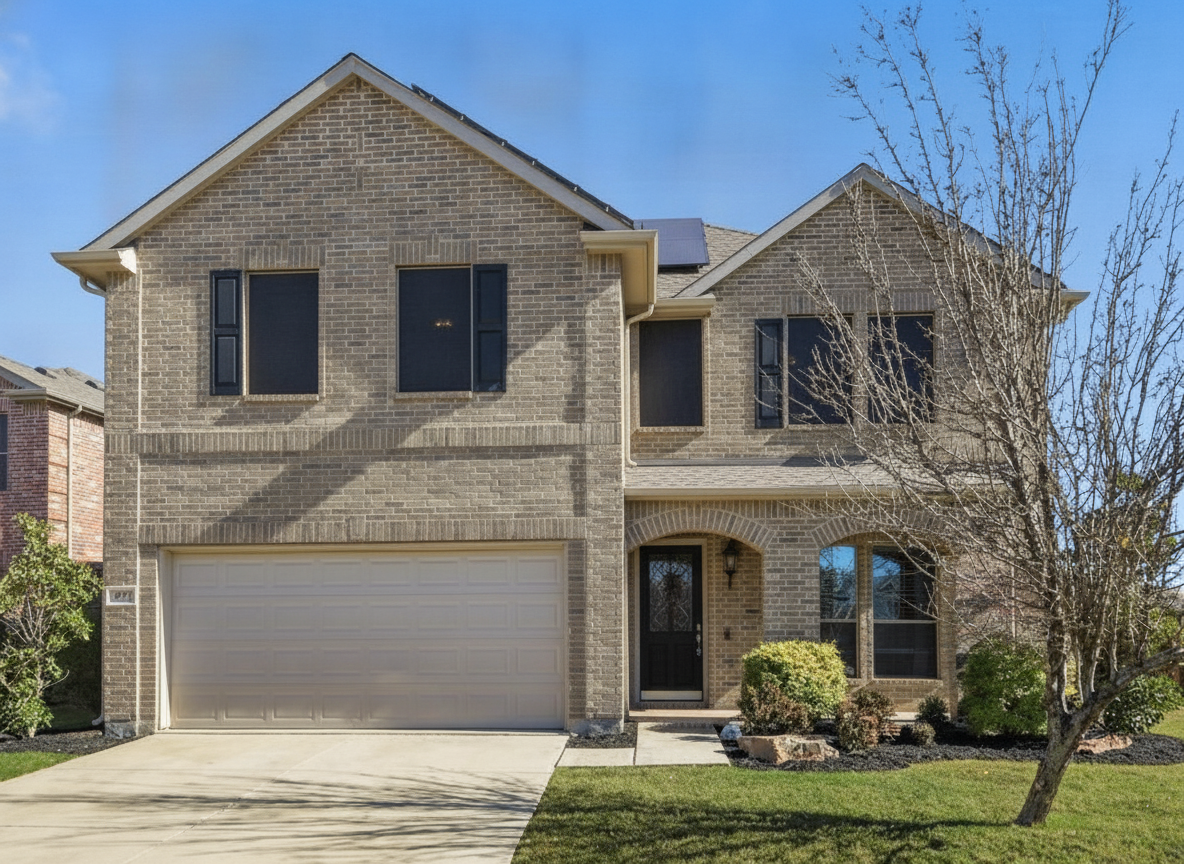
What we told RAI:
Paint the brick exterior a warm greige. Paint the window shutters and the front door black. Keep the garage door a light color matching the trim. Keep the driveway, landscaping, roofline and window placement unchanged.
Free · No account needed · 10 seconds
Why this works: compare it to Style 1. Almost the same amount of change, half the drama. The greige stays close enough to the brick’s warmth that the house still feels grounded, and the black shutters supply all the contrast the flat original was missing. On a street of beige houses this is the version that reads “well-kept” rather than “made a statement.”
What to notice: the render kept the garage door light, exactly as asked. In Style 1 the charcoal garage door does a lot of heavy lifting; here the light door keeps the facade calm. Same house, and the garage door alone changes the whole register — worth knowing, because a garage door is far cheaper to change than a wall.
Where it fits: anywhere resale is within a couple of years, and any neighborhood where you’d rather look considered than bold.
Style 5: Deep Charcoal — and What Colour Precision Really Looks Like
The darkest direction, and the one that taught us the most about reading these images.
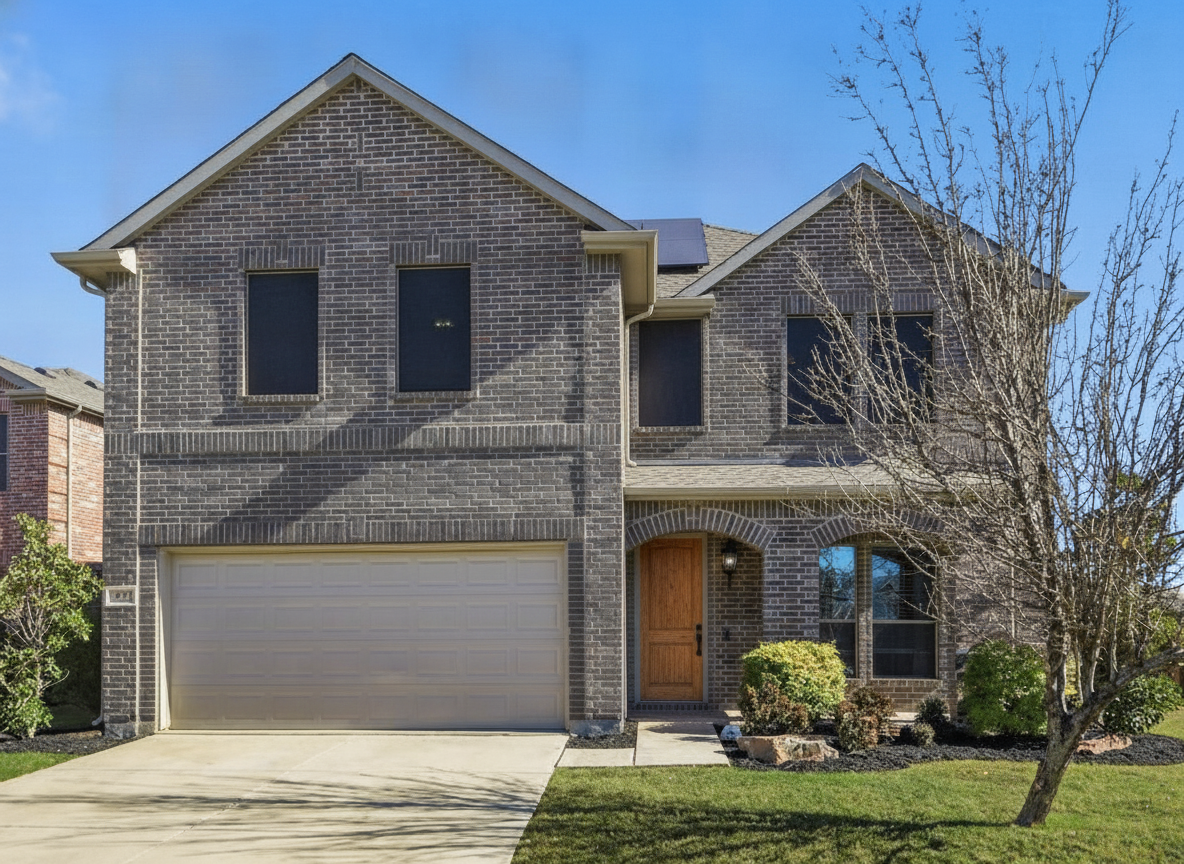


What we told RAI:
Paint the brick exterior deep charcoal gray. Keep the white trim around the windows and roofline. Replace the front door with a warm natural wood door. Keep the driveway, landscaping and roofline unchanged.

Free · No account needed · 10 seconds
Why this works: the dark wall pushes the white trim forward, so the roofline and window frames read as deliberate lines instead of edges. The wood door is the warmth anchor. On a north-facing lot this is the direction that stops a brick house looking washed out in winter light.
Worth being straight about the colour: we asked for deep charcoal and what came back is lighter — a warm gray-brown that keeps some of the brick’s original heat. That’s the honest shape of AI paint visualization: excellent at direction, imprecise on exact shade. Judge these images on value and undertone — is a dark warm neutral right for this facade? — rather than on the specific swatch. If you want an exact colour, name it harder (“Sherwin-Williams Iron Ore, near-black”) and run it again; at ten seconds a go, iterating is free.
And whatever any preview says, put a real sample on the real wall before the crew arrives. Sheen, substrate and the 6pm light are things no render handles.
Which Direction Works Best?
Depends on three things:
- Reversibility tolerance. Style 1 is permanent. Style 2 can be redone. Style 3 is repaintable. If you might second-guess the color in five years, work back from there.
- Neighborhood context. If every house on the street is already white, Style 2 or 3. If everyone has natural brick, Style 1 stands out. Style 3 stands out everywhere. That’s a feature or a bug, depending on your HOA.
- Lot orientation. South-facing facades take saturated colors better (sage). North-facing facades benefit from brighter wall colors (white). Limewash works on any orientation because it’s textured rather than flat.
How We Made These
Each direction took about 10 seconds.
We opened the original photo as a space in Renovate AI, then told RAI what to change and what to keep. The short directions in each blockquote above are literally what we typed. No prompt engineering, no specifications. Just plain language describing the change.
The skill is naming what to keep. Most people only say what they want changed. The move that separates a believable result from a fantasy is naming what stays: the landscaping, the roofline, the window placement. That’s the anchor everything else reads against. In RAI the anchor also tells it what not to move, which is why all three of these read as the same house: three directions on one home, not three different homes that vaguely resemble yours.
You can get more specific if you want: exact paint codes, hardware finishes, even upload material samples for RAI to match. But you don’t have to. Plain language gets you to a useful image fast, and the cost estimation kicks in after you pick a direction.
See What Your House Could Look Like
Open your space in Renovate AI, free to try. Add a photo of your home, tell RAI what you’d change, and see it in seconds.
Exterior Paint Visualizer — How It Works
Renovate AI is a free exterior paint visualizer. Upload a photo of your home, tell RAI what color or style you want, and see a photorealistic image in seconds. No signup needed for your first one. Whether you want to virtually paint your house exterior, preview new siding, or test bold accent combinations, RAI shows the result on your actual home, not a generic template.
Can I Upload a Picture of My House and Try Paint Colors?
Yes. Renovate AI lets you upload a photo of your house exterior and instantly try different paint colors: bright whites, warm grays, deep sage, bold accent combinations, whatever you’re considering. Any clear photo works, a JPG or PNG straight from your phone, and your first image needs no signup. RAI handles the photo edit; you decide what to keep and what to change.
Why Use Renovate AI for Choosing Exterior Paint Colors?
- Instant visualization. See your actual house in any color in 10 seconds, not your imagination of it.
- No commitment. Preview before buying a single can, instead of returning leftover gallons.
- Cost estimate included. Every image pairs with a rough cost figure, so the decision is “is this worth $X?” not “is this pretty?”
Renovate AI’s approach to pairing every image with a cost estimate was recently featured in Morning Brew’s The Playbook, reaching 4.4 million real estate investors.
Made with Renovate AI — open your space, tell RAI what you’d change, see it in seconds.
Where to Go Next
If the wall turns out to be fine and the problem is the ground in front of it, the same photo will tell you — we ran one house several landscape ways in the free AI landscape design tool.
For the front door on its own, the cheapest exterior change there is, see front door color ideas for a brick house. And every room and surface in one place is at AI home remodel.
You Might Also Like
How to Modernize a 1990s Brick House Exterior Without Painting the Brick →
AI Paint Magic: Before & After with New Exterior Colors →
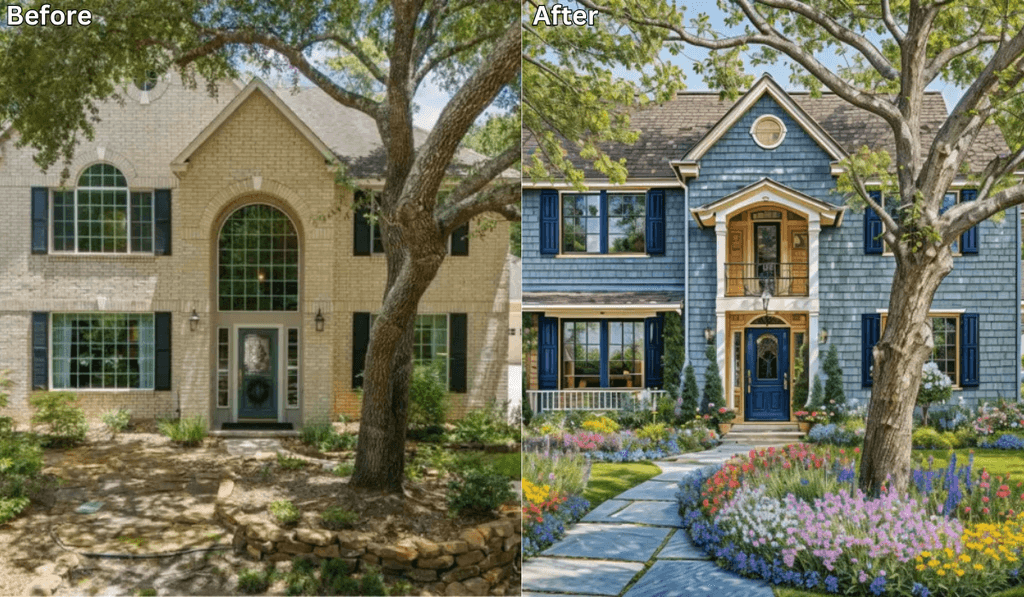
Is There an App Where I Can Change Home Color for Free? →
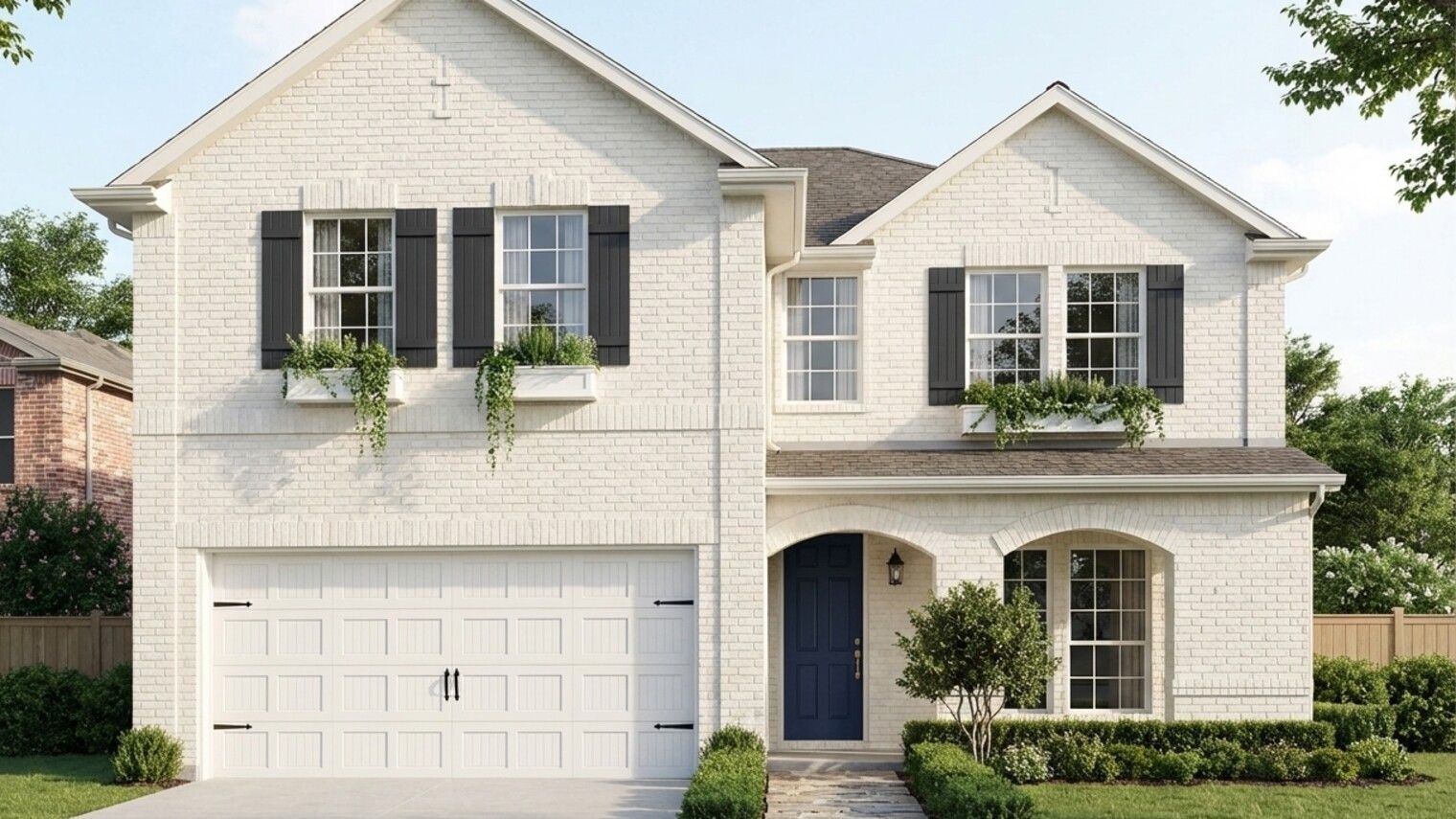
How to Make a Boring Red Brick House Look Sharp — 3 Directions We Tested →
Now name yours
Pull up a photo of your own space, or just look at it. Answer two questions in plain words:
- Standing at the curb, do your wall, trim and door read as three different tones, or do they blur into one?
- If you hated the colour in five years, what would it cost to undo?
Most people never name it. They just circle swatches. Finish the sentence — in your words, about your home:
Your sentence rides the button below. Test it on your photo.
Test your answer before you commit. Upload a photo and tell RAI the exact change you're considering. You'll see it on your actual home in seconds.
See it on your home →Free · No account needed · 10 seconds
Stuck between two answers, or not sure what you're looking at? That's a design question. In the Renovate AI app, tap Ask and describe what feels off. Elena will help you name it, then design the direction.
FAQ
- Is there an app to see what your house would look like painted?
- Yes. Renovate AI takes one photo of your house and repaints it in any colour you describe, in about ten seconds, on your actual home rather than a template. Your first image needs no account. Paint-brand tools like ColorSnap and Color Portfolio do something similar but only within their own colour decks, and none of them price the job.
- Can I upload a picture of my house and try paint colors?
- Any clear photo works — a JPG or PNG straight from your phone. Shoot from the sidewalk or the end of the driveway with the whole facade in frame, in even light rather than hard midday sun. Then describe the colour in plain words. You don't need paint codes, though you can give them if you have a shortlist.
- Can AI show me painted brick before I commit?
- That's the highest-value thing it does, because painting brick is effectively permanent. Once brick is painted it needs repainting forever, and stripping it is expensive and rarely comes out clean. Seeing your own brick white, greige or charcoal before you decide is worth more than any other preview on the list.
- How accurate are the colors in an AI render?
- Accurate enough to choose a direction, not accurate enough to skip a sample. The render shows you value and undertone on your facade at your roof colour — the part a paint chip can't tell you. It doesn't account for sheen, how the colour shifts at 6pm, or what two coats look like over red brick. Pick with the render, confirm with a test patch on the actual wall.
- What exterior colors are safest if I might sell?
- Warm whites, greiges and soft charcoals do the least damage to the widest audience, and all three read as deliberate rather than dated. The riskier moves are saturated colours — deep sage, navy — which buyers either love or immediately price as a repaint. If resale is close, the safer play is often to leave the wall and change the trim and door instead.
- Does the render show the cost of painting?
- Renovate AI pairs each image with a rough cost estimate, which turns the question from 'is this pretty' into 'is this worth what it costs'. It's an estimate, not a quote — actual pricing depends on prep, substrate, height and your local labour market, and painting brick costs more than painting siding because of the prep.